
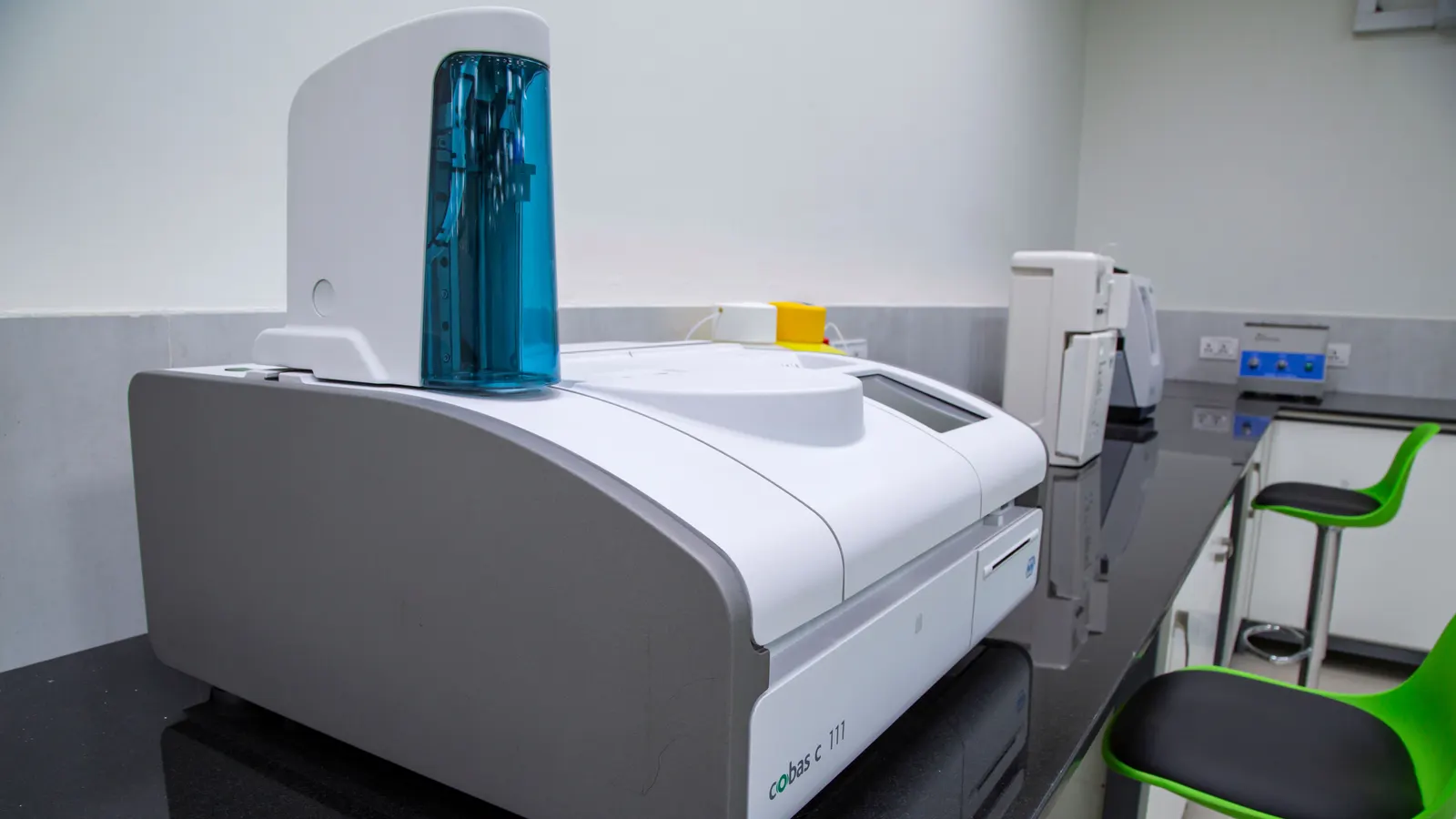
Hormone therapy should not start with a bottle, a pellet or an injection. It should start with a question: do the symptoms fit a hormone problem, and do the measurements agree? Without that step, HRT and TRT can become guesses with medical packaging.
At ARPAR, hormone decisions begin with testing, consultation and a benefit-risk review. The goal is not to treat a number in isolation. It is to understand whether hormone therapy is appropriate for the person sitting in front of the doctor.
Symptoms are clues, not a diagnosis
Fatigue, poor sleep, low libido, weight change, mood shifts and brain fog can appear during perimenopause, menopause or testosterone deficiency. The same symptoms can also come from anemia, thyroid disease, sleep apnea, depression, medication effects, overtraining or metabolic disease.
This is why symptom checklists are useful but incomplete. They help a doctor decide what to investigate. They do not prove that estrogen, progesterone or testosterone is the right treatment.
The Endocrine Society guideline on testosterone therapy is direct on this point: testosterone deficiency should be diagnosed in men with symptoms and signs plus consistently low testosterone concentrations. One without the other is not enough.
What hormone testing can clarify
Hormone testing helps separate a likely hormone pattern from other causes and gives the doctor a baseline before any treatment changes the numbers. The exact panel depends on sex, age, menstrual status, symptoms, medication history and risk factors.
For men being evaluated for testosterone deficiency, the Endocrine Society recommends measuring morning fasting total testosterone on two separate days because levels vary by time, food intake and day-to-day biology. Free testosterone may be needed when SHBG is abnormal or total testosterone sits near the lower limit.
For women around menopause, labs are not always the central test. The Endocrine Society menopause guideline suggests diagnosing menopause mainly by menstrual-cycle criteria, with FSH and estradiol useful in selected situations such as unclear menstrual history after hysterectomy.
Female hormone assessment before HRT
Before menopausal hormone therapy, the key work is not only measuring hormones. It is checking the pattern of symptoms, uterus status, breast cancer risk, cardiovascular risk, clot risk, liver disease history and whether local or systemic therapy fits the complaint.
ACOG’s patient guidance on hormone therapy for menopause explains the basic treatment split: estrogen alone may be used in women without a uterus, while estrogen plus progestin is usually needed when the uterus is present to reduce endometrial cancer risk from estrogen alone.
The Endocrine Society guideline also recommends evaluating cardiovascular and breast cancer risk before starting menopausal hormone therapy. For many symptomatic women under age 60 or within 10 years of menopause, benefits may exceed risks when there are no contraindications. That sentence has limits built into it for a reason.
Male hormone assessment before TRT
Before TRT, the important question is whether testosterone is repeatedly low and whether the pattern is primary testicular, secondary pituitary-hypothalamic, functional, medication-related or something else. Treatment without that distinction can miss the actual cause.
The Endocrine Society recommends distinguishing primary from secondary hypogonadism by measuring LH and FSH. It also recommends against testosterone therapy in men planning fertility soon, because external testosterone can suppress sperm production.
Monitoring matters because TRT can raise hematocrit and requires prostate-risk discussion in appropriate age groups. The same guideline recommends hematocrit measurement at baseline, 3 to 6 months after starting, and then annually. It also names PSA thresholds that should trigger urological review during the first year.
Why follow-up testing matters
Follow-up testing answers a different question from baseline testing. Baseline asks whether treatment makes sense. Follow-up asks whether the dose, route and response still make sense after the body has changed.
For HRT, review should look at symptom control, bleeding pattern, breast symptoms, blood pressure, side effects and whether the route or dose still fits the risk profile. ACOG advises discussing each year whether to continue hormone therapy, because the decision depends on symptoms, risks and benefits.
For TRT, the follow-up plan should include testosterone level timing based on formulation, hematocrit, side effects, fertility goals, prostate-risk monitoring where appropriate and whether the original symptoms have actually changed. If the number improves but the person does not, the plan deserves a second look.
What to ask before starting treatment
The best questions before HRT or TRT are the ones that force the plan to become specific. Which diagnosis is being treated? Which result supports it? What alternatives were considered? What risks apply to me? What will we monitor, and when?
Ask before you start:
- What diagnosis are we making, and what evidence supports it?
- Are there non-hormonal causes we still need to rule out?
- Which route and dose are being chosen, and why?
- What side effects should prompt contact?
- What follow-up tests and review date are planned?
Those questions do not make hormone therapy less personal. They make it more personal, because the plan has to match the patient’s biology rather than the clinic’s default package.
How ARPAR approaches hormone care
ARPAR’s hormone therapy service begins with a hormone panel, physician review, benefit-risk discussion, tailored prescription where appropriate and ongoing follow-up. Hormones also sit inside broader diagnostics through the health check-up and longevity program, because energy, sleep, weight and mood rarely belong to one lab value.
The right outcome is not simply a higher or lower number. It is a treatment decision that still makes sense after the symptoms, risks, labs and follow-up plan have all been read together.